Pasta alla Gricia is sometimes described as an ancestor of Amatriciana, but it deserves to be understood as a classic in its own right. With guanciale, Pecorino Romano and black pepper at its core, it is rich without relying on tomato.
What is Pasta alla Gricia?
Gricia belongs to the Roman pasta tradition and demonstrates how much flavour can come from a few carefully handled ingredients. Rendered guanciale provides richness, Pecorino brings its characteristic salty sharpness, and pepper adds aroma and heat.
The difference between Gricia and Amatriciana
The most obvious difference is tomato. Without it, Gricia has a more direct relationship between cured pork, cheese and pasta. That makes texture and seasoning especially important.
Why fresh pasta works so well
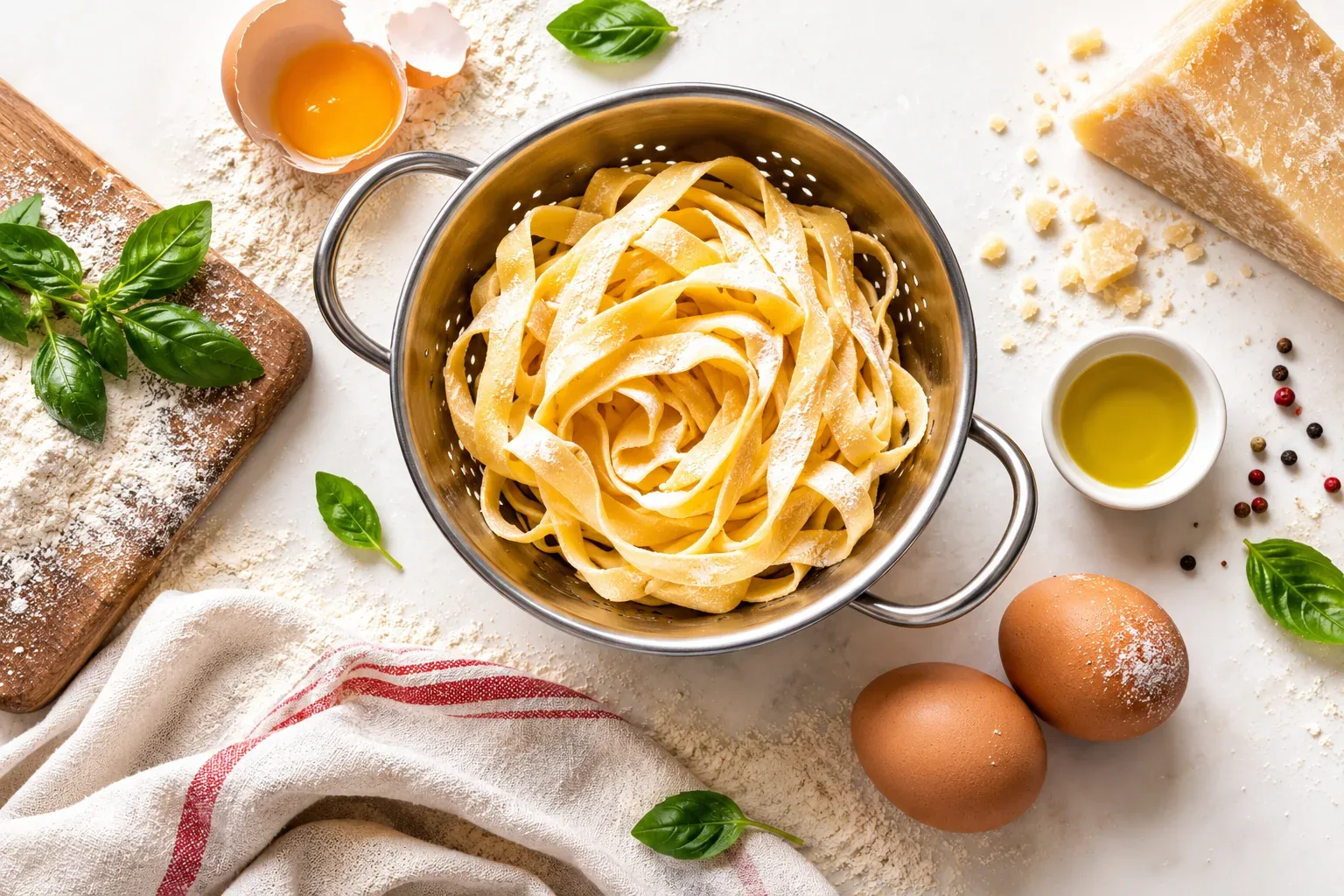
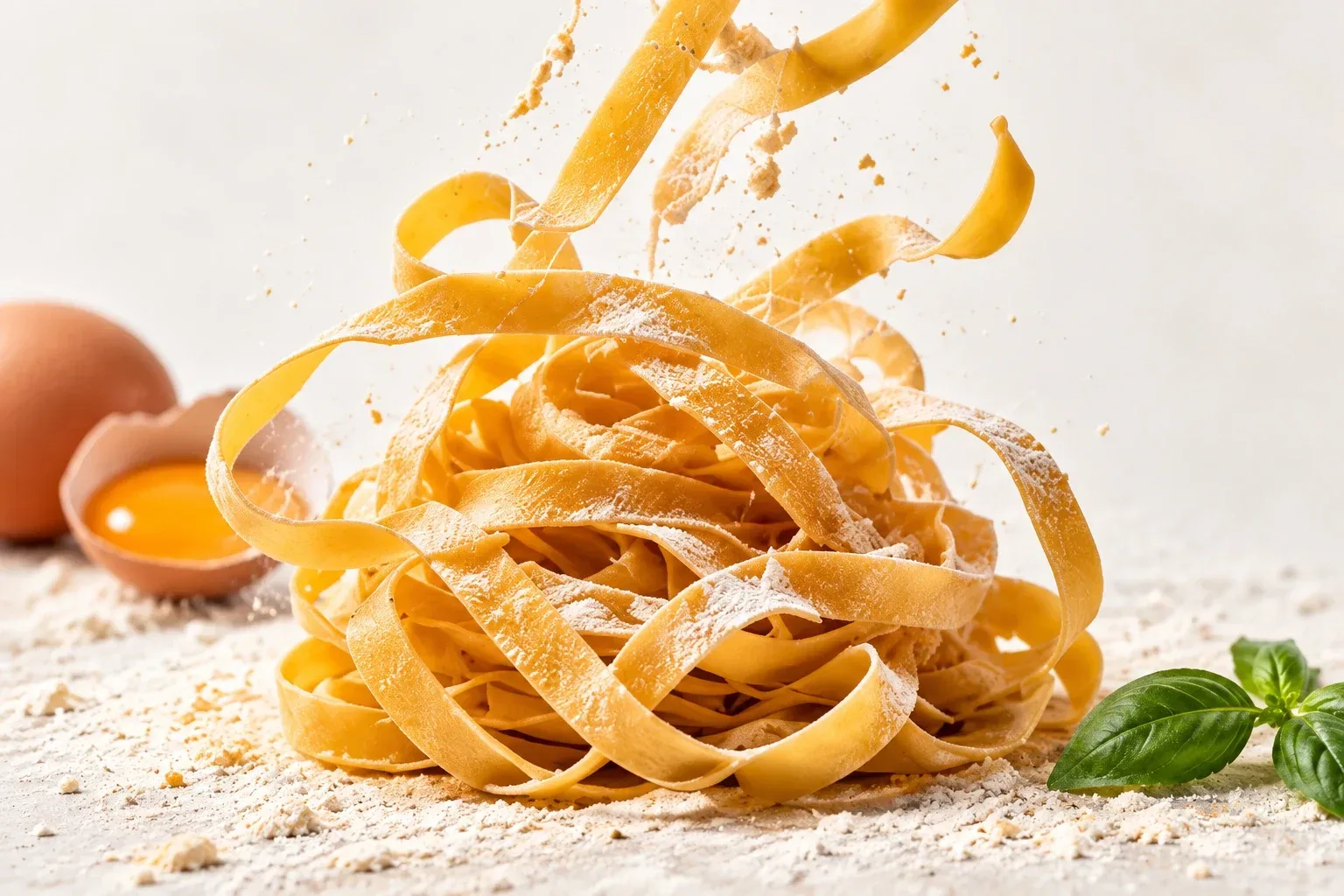
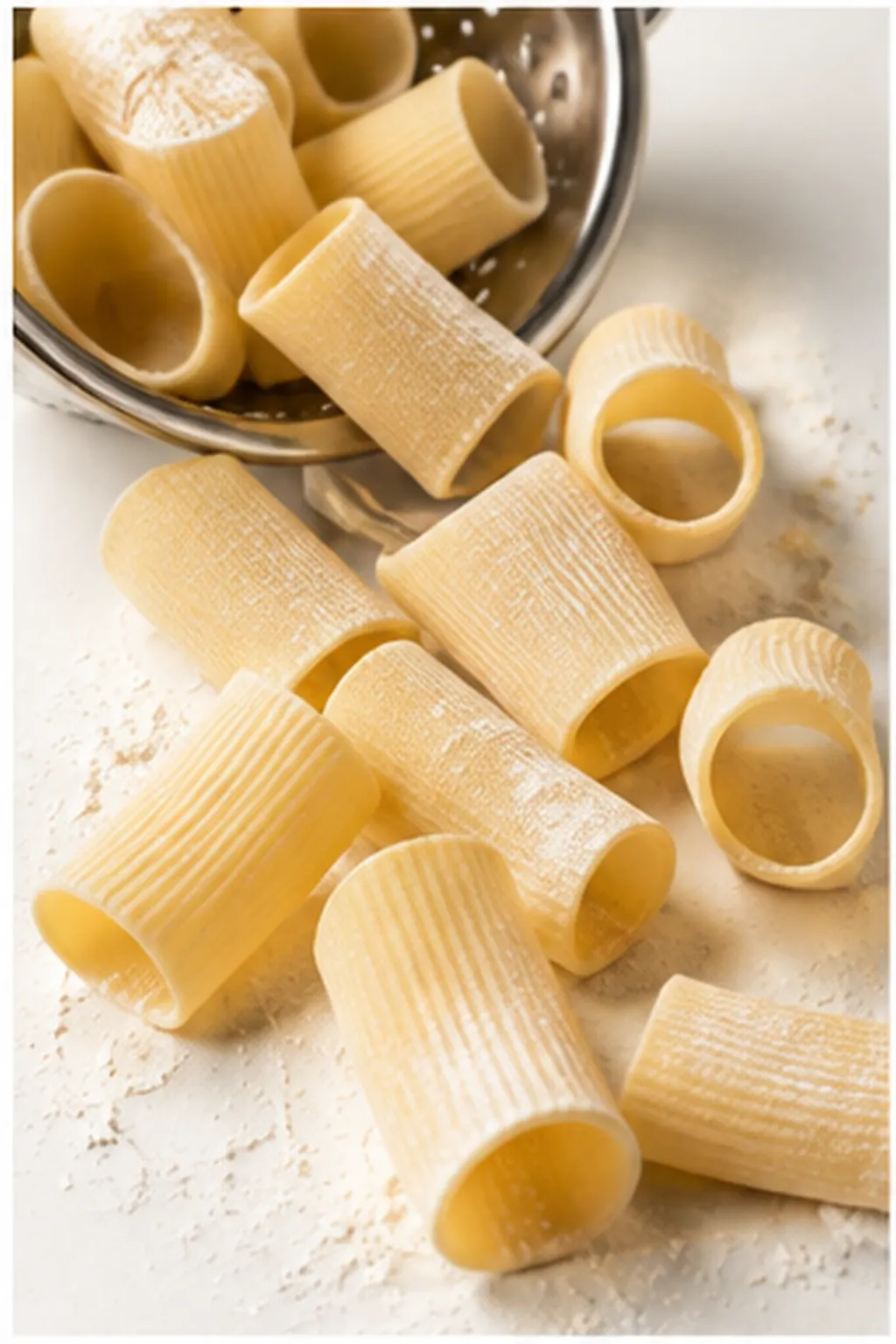
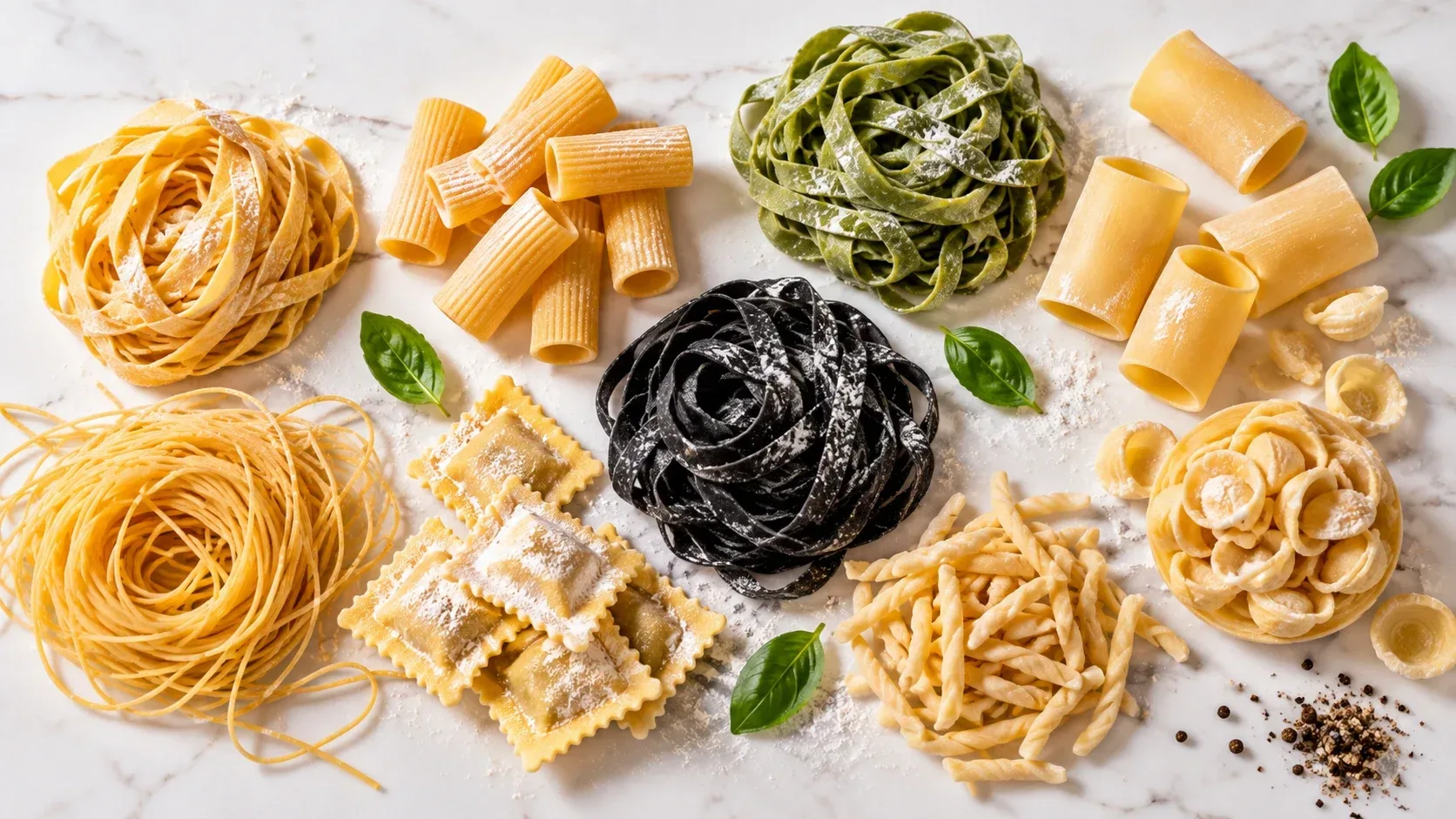
Fresh pasta is at the centre of the Pastaus kitchen in Valletta. Unlike dried pasta, fresh pasta brings its own texture and character to a dish, so the sauce, cheese and seasoning need to work with the pasta rather than overwhelm it.
In Gricia, the pasta has to stand alongside powerful ingredients. Fresh pasta gives the plate a satisfying texture and helps the sauce coat each piece without turning the dish into something excessively heavy.
For guests exploring Roman pasta
If Carbonara and Amatriciana are already familiar, Gricia is a natural next step. It shows the connections between Roman recipes while still having a distinctive identity of its own.
Fresh pasta in the heart of Valletta
Pastaus is on Old Theatre Street in central Valletta. Whether you are spending the day exploring the capital or planning an evening in the city, a bowl of freshly prepared pasta can be part of the experience rather than simply a quick stop between sights.
If you are planning to visit, requesting a table in advance is the easiest way to organise your meal, particularly on busy evenings and event days.